


How to Know Your Teen Is Ready to Drive Independently in Ohio, USA in 2026
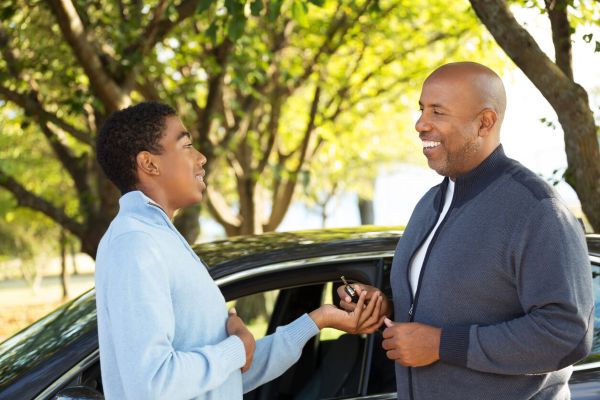
The car keys are on the kitchen counter. Your teenager has passed the driving test, knows the route to school, and is already imagining life without asking for rides. You, meanwhile, are imagining busy intersections, sudden downpours, and the first journey without you in the passenger seat.
That mix of pride and worry is understandable. A license marks an important achievement, but deciding whether your teen is ready to drive independently requires a closer look at everyday habits, judgment, and consistency.
For Ohio families in 2026, the strongest approach combines legal eligibility with practical evidence that a young driver can make safe decisions without reminders. Explore Horizon Driving School in Ohio, USA.
Start with Ohio’s licensing requirements
For drivers under 18, Ohio requires a temporary permit held for at least six months, approved driver education comprising 24 hours of classroom or online instruction and eight hours behind the wheel, plus 50 hours of supervised practice, including 10 at night. Applicants must also pass the driving and skills tests. A learner’s permit alone does not authorize solo driving.
A probationary license still carries restrictions. During the first 12 months, driving between midnight and 6 a.m. is generally restricted, and only one nonfamily passenger is permitted without a parent or guardian. After 12 months, while still under 18, the restricted nighttime period becomes 1–5 a.m. Specific exceptions apply. Seat belts are required for everyone, and mobile-device use is prohibited. Review the Ohio BMV’s rules together before planning independent trips.
These requirements establish the legal foundation. Your teen’s behavior helps determine which journeys they are prepared to handle.
Watch what happens when you stop giving reminders
During practice drives, parents often become a second set of eyes. “Check your mirror.” “Watch that pedestrian.” “You need to slow down.”
To assess readiness, notice whether your teen performs these actions independently. Choose a familiar route and explain that you will observe quietly, while still intervening whenever safety requires it.
Do they adjust their seat and mirrors before moving? Signal early? Check blind spots? Stop fully? Maintain space behind other vehicles?
One smooth drive is encouraging. Repeated safe performance across several trips offers stronger evidence. If essential actions still depend on your voice, identify those skills and keep practicing them together.
Look for anticipation beyond the windshield
Vehicle control matters, but safe driving also involves recognizing what might happen next.
A teen who notices a ball near the curb should consider that a child may follow. Someone approaching a crowded parking lot should expect reversing vehicles and pedestrians emerging between parked cars.
Ask your teen to describe potential hazards during a calm practice session, provided talking does not distract them. Their observations can reveal whether they are scanning the surroundings or concentrating only on the vehicle immediately ahead.
The goal is thoughtful awareness, with enough time and space to respond calmly.
Pay attention to their response when plans change
A missed turn can reveal more than a perfectly executed parking maneuver.
Does your teen continue safely and find another route, or attempt a sudden lane change? When another driver honks, do they remain composed or rush into a decision?
Readiness includes accepting small inconveniences. Missing an exit, waiting through another traffic-light cycle, or arriving late should never feel like a reason to take a dangerous chance.
After practice, discuss one unexpected moment. Ask what they noticed, what they decided, and what they might do differently. Honest reflection is a useful sign of developing judgment.
Make distraction control an established habit
A promise to ignore the phone becomes meaningful when you see it consistently.
Before moving, your teen should silence notifications and put the phone away. Music, climate settings, and other adjustments should be handled before departure whenever possible. NHTSA encourages families to establish clear rules around phones and other distractions, and parents should demonstrate the same behavior.
Discuss situations that make boundaries harder: a friend calling repeatedly, passengers getting loud, or someone insisting on changing the playlist.
A useful family rule is simple: if something needs attention, find a safe, legal place to park first.
Match independence to the conditions they have practiced
Being comfortable on a quiet neighborhood street does not automatically prepare a teenager for an unfamiliar highway interchange after dark.
Think about the actual journey your teen wants to make. Have they practiced its intersections, parking arrangements, traffic levels, and likely conditions with an adult?
Ohio families should also discuss how rain, snow, fog, and changing visibility can affect travel plans. Avoid using hazardous weather as a test of courage.
A teen who says, “I would rather wait,” or asks for a ride when conditions exceed their experience is demonstrating responsibility. Recognizing limits is part of becoming independent.
Check their readiness before the engine starts
Responsible driving begins with deciding whether to drive at all.
Your teen should be willing to postpone a trip when exhausted, overwhelmed, or otherwise unable to concentrate. Clear family expectations should also address alcohol, drugs, and any medication that could impair driving.
Look for everyday preparation: enough fuel, a known destination, realistic departure time, and an understanding of the vehicle’s basic controls.
They should also know where essential documents are kept and whom to contact if the vehicle breaks down. Talk through these situations while parked, when there is time to think.
Build freedom through manageable first trips
The first solo journey does not need to prove everything.
Start with a short, familiar daytime route in favorable weather. Agree on the destination, expected return time, and a check-in after parking. Consider beginning without peer passengers.
Afterward, invite an honest conversation. Was any intersection confusing? Did parking feel difficult? Did they feel pressured by another driver?
Expand privileges as your teen demonstrates consistent judgment. Continue supervised practice for unfamiliar situations, and consider an instructor’s assessment when a particular skill remains uncertain.
The most reassuring sign is a teenager who treats driving as a responsibility: someone who prepares carefully, accepts feedback, respects limits, and asks for help when needed. Those habits give families a stronger foundation for the moment the car leaves the driveway without a parent inside.