


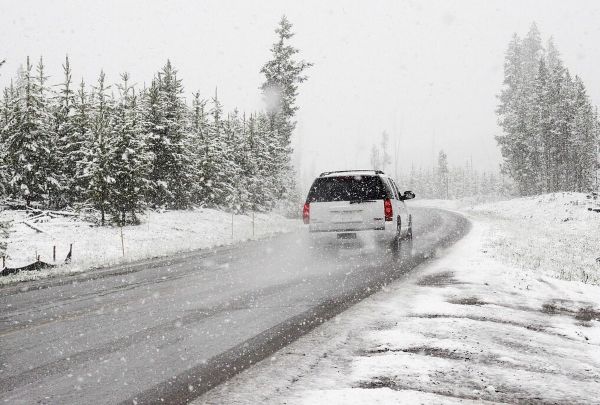
Tips for Driving in Snow in Ohio, USA in 2026
Winter in Ohio can transform familiar roads into challenging driving environments. From heavy snowfall and icy highways to sudden snow squalls and freezing temperatures, Ohio drivers face a variety of winter weather conditions each year. As 2026 brings continued advancements in vehicle technology and road safety systems, the importance of safe winter driving remains as critical as ever.
Whether you're commuting through Cleveland, navigating the streets of Columbus, or driving along rural roads in southern Ohio, knowing how to handle snowy conditions can make the difference between a safe journey and a dangerous situation. Here are the most important tips for driving in snow in Ohio in 2026.
Explore Horizon Driving School in Ohio, USA.
Understand Ohio's Winter Driving Conditions
Ohio experiences a wide range of winter weather patterns. Northern regions near Lake Erie often receive significant lake-effect snow, while central and southern parts of the state may face ice storms, freezing rain, and heavy snow accumulation.
Weather conditions can change rapidly, especially during winter storms. A road that appears clear one moment may become slippery within minutes. Drivers should stay informed about local forecasts and road conditions before every winter trip.
Being aware of your surroundings and adjusting your driving habits accordingly is the first step toward safe winter travel.
Prepare Your Vehicle Before Winter Arrives
One of the most effective ways to stay safe on snowy roads is to ensure your vehicle is winter-ready.
Before the first major snowfall, inspect:
- Tires and tread depth
- Battery performance
- Windshield wipers
- Brake system
- Antifreeze levels
- Heating and defrosting systems
- Headlights and taillights
Many Ohio drivers in 2026 are also benefiting from modern vehicle safety technologies such as traction control, electronic stability control, and advanced driver-assistance systems. However, these technologies work best when combined with proper vehicle maintenance.
If you frequently drive in areas that experience heavy snowfall, consider investing in winter tires for improved traction.
Slow Down and Increase Following Distance
One of the biggest mistakes drivers make during snowy weather is maintaining normal driving speeds.
Snow and ice significantly reduce tire grip, increasing stopping distances and making sudden maneuvers more dangerous. Even roads that appear wet may contain black ice, which is nearly invisible and extremely slippery.
A good rule is to:
- Reduce speed below posted limits when necessary.
- Leave at least six to ten seconds of following distance.
- Allow extra time for braking and turning.
Driving slower may feel inconvenient, but arriving safely is always more important than arriving quickly.
Accelerate and Brake Gently
Smooth driving becomes essential when roads are covered in snow or ice.
Rapid acceleration can cause wheels to spin, while sudden braking may lead to skidding. Instead:
- Press the accelerator gradually.
- Brake early and gently.
- Avoid abrupt steering movements.
- Make turns slowly and carefully.
Modern anti-lock braking systems (ABS) help prevent wheel lockup, but drivers should still apply steady pressure rather than slamming on the brakes.
Maintaining smooth control of the vehicle helps preserve traction and reduces the likelihood of accidents.
Learn How to Handle a Skid
Even experienced drivers can encounter skids during Ohio winters.
If your vehicle begins to skid:
- Stay calm.
- Remove your foot from the accelerator.
- Avoid slamming on the brakes.
- Steer in the direction you want the front of the vehicle to go.
- Allow the vehicle to regain traction gradually.
Panic reactions often make skids worse. Practicing defensive driving techniques and understanding skid recovery can improve your confidence and safety.
Watch Out for Black Ice
Black ice remains one of the most dangerous winter driving hazards.
This thin, transparent layer of ice often forms:
- On bridges and overpasses
- In shaded areas
- During early morning hours
- After freezing rain
- Near intersections
Black ice is difficult to see because it blends with the pavement.
If you suspect icy conditions:
- Reduce speed immediately.
- Avoid sudden steering inputs.
- Increase following distance.
- Stay alert for vehicles losing traction ahead.
Recognizing the possibility of black ice can help prevent serious accidents.
Keep Your Fuel Tank at Least Half Full
Many Ohio drivers overlook this simple but important tip.
Keeping your fuel tank at least half full during winter provides several benefits:
- Reduces fuel line freezing risks.
- Allows for extended engine operation during emergencies.
- Ensures heat remains available if stranded.
- Provides flexibility during unexpected road closures.
Winter storms can cause traffic delays that last hours. Having adequate fuel helps you stay comfortable and safe while waiting.
Carry a Winter Emergency Kit
Unexpected situations can occur even when drivers take every precaution.
A winter emergency kit should include:
- Blankets
- Flashlight
- Extra batteries
- Phone charger or power bank
- First-aid supplies
- Bottled water
- Non-perishable snacks
- Ice scraper
- Snow brush
- Jumper cables
- Sand or kitty litter for traction
- Warm gloves and hats
In rural areas of Ohio, where assistance may take longer to arrive, emergency supplies can be especially valuable.
Clear Snow and Ice Completely
Before driving, remove all snow and ice from your vehicle.
This includes:
- Windshield
- Side windows
- Mirrors
- Roof
- Hood
- Headlights
- Taillights
Driving with snow-covered windows reduces visibility and increases crash risks.
Additionally, snow blowing off your roof can create hazards for drivers behind you. Taking a few extra minutes to fully clear your vehicle promotes safety for everyone on the road.
Use Headlights Properly
Winter weather often creates low-visibility conditions.
Turn on your headlights whenever:
- Snow is falling.
- Visibility decreases.
- Roads are covered with snow.
- Driving during dawn or dusk.
Headlights help you see the road and make your vehicle more visible to others.
Avoid using high beams during heavy snowfall because reflected light can reduce visibility even further.
Avoid Unnecessary Travel During Severe Storms
Sometimes the safest decision is simply to stay home.
Ohio winter storms can create dangerous conditions, including:
- Whiteouts
- Ice-covered roads
- Reduced visibility
- Multi-vehicle accidents
In 2026, weather apps, GPS navigation systems, and traffic monitoring services provide real-time information about road conditions and closures.
If authorities advise against travel, postpone your trip whenever possible. Waiting for road crews to clear highways and treat icy surfaces can significantly reduce risks.
Be Extra Cautious Around Snowplows
Snowplows play a vital role in maintaining Ohio roads during winter weather.
When driving near snowplows:
- Stay well behind them.
- Avoid passing unless absolutely necessary.
- Expect reduced visibility due to blowing snow.
- Be patient as crews clear roadways.
The safest road is often the one directly behind a snowplow, but drivers should maintain a safe following distance.
Take Advantage of Modern Safety Technology
Many vehicles in 2026 include advanced features such as:
- Automatic emergency braking
- Lane-keeping assistance
- Adaptive cruise control
- Blind-spot monitoring
- Stability control systems
While these technologies enhance safety, they should never replace attentive driving.
Drivers should understand how their vehicle's systems function in snowy conditions and recognize that technology cannot overcome the laws of physics on ice-covered roads.
Final Thoughts
Driving in snow in Ohio during 2026 requires preparation, patience, and awareness. Winter weather can be unpredictable, but adopting safe driving habits can greatly reduce risks and improve confidence behind the wheel.
By slowing down, maintaining your vehicle, increasing following distances, carrying emergency supplies, and respecting changing road conditions, you can navigate Ohio's winter roads more safely. The goal is not simply reaching your destination—it is arriving there safely, regardless of what winter weather brings.
When snow begins to fall across Ohio, remember that careful driving is the most valuable safety feature any vehicle can have.