


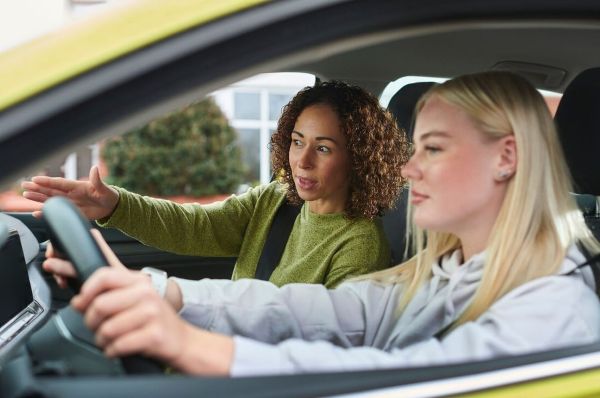
What Do You Do in Driving Lessons in the USA in 2025?
Learning to drive is one of life's most liberating milestones. Whether you're a teen eager to earn your first driver's license or an adult finally deciding to get behind the wheel, taking professional driving lessons is the smartest way to start. In 2025, driving lessons in the USA have evolved with advanced technology, updated safety regulations, and smarter teaching methods. From virtual simulations to real-world driving tests, the process now offers an immersive experience designed to build confidence and responsibility on the road.
So, what exactly happens during driving lessons in 2025? Let's explore the modern-day driving lesson experience in detail—from your first day in the car to the final test preparation.
Before this, let's explore Horizon Driving School in Ohio, USA here.
1. Starting with the Basics: The Orientation Phase
Before you ever turn the ignition key, your driving instructor will guide you through a comprehensive orientation. This session typically happens in a classroom or online setting. In 2025, many driving schools in the USA now offer AI-assisted e-learning platforms where students can take interactive lessons about traffic laws, road signs, and safety rules before practical training begins.
Here's what you'll cover during this phase:
- Road signs and signals: Understanding modern signs, including digital and smart intersection indicators.
- Rules of the road: Updated regulations, especially those concerning self-driving zones, electric vehicle lanes, and adaptive cruise control systems.
- Vehicle familiarity: Identifying dashboard controls, mirrors, gear systems (manual or automatic), and the emergency brake.
Once you understand the theory, you move on to the real fun—the driving itself.
2. Getting Comfortable Behind the Wheel
Your first time behind the wheel can feel both thrilling and intimidating. But don't worry—driving instructors in 2025 are trained to make this transition smooth and stress-free.
Modern vehicles used for lessons often include dual-control systems, meaning the instructor has access to pedals and can intervene anytime for safety. Many driving schools now use AI-monitored dashboards that analyze your steering, braking, and acceleration to give personalized feedback after each session.
During these early lessons, you'll learn:
- How to start and stop the car smoothly
- Proper steering techniques, including hand-over-hand and push-pull methods
- How to check mirrors and blind spots
- Using indicators and signals correctly
- Basic parking maneuvers, like pulling over safely or parallel parking
By the end of your first few lessons, you'll feel more comfortable controlling the car and reacting calmly in low-stress environments.
3. Mastering Essential Driving Skills
Once you've grasped the basics, it's time to take your driving to the next level. Instructors gradually introduce you to more complex situations that mimic real-world driving.
Some of the key skills you'll practice include:
- Turning and lane changes: Learning how to signal, check traffic, and merge safely.
- Intersections: Understanding right-of-way rules and handling traffic lights or stop signs confidently.
- Highway driving: Entering and exiting highways, maintaining safe speeds, and practicing lane discipline.
- Parking: From parallel and perpendicular to reverse parking—skills every American driver needs.
- Defensive driving: Spotting potential hazards early, maintaining a safe distance, and staying alert at all times.
Driving schools in 2025 emphasize eco-conscious and tech-integrated driving habits, such as maintaining optimal speeds to reduce fuel use or understanding how to drive EVs efficiently.
4. Using Simulators and Digital Training Tools
One of the most exciting advancements in 2025 driving lessons is the widespread use of driving simulators. These high-tech setups replicate real-life traffic scenarios in a risk-free environment.
Simulators allow students to practice:
- Driving in different weather conditions—rain, fog, or snow
- Handling emergencies like brake failures or tire bursts
- Navigating high-traffic city streets or rural roads
AI-driven simulators now track your reaction time, decision-making, and driving posture, giving data-driven feedback after each session. This ensures you're not just learning through repetition but also understanding your strengths and weaknesses.
Some schools even pair simulator sessions with virtual reality (VR) lessons, allowing learners to experience 360° road environments before heading out on actual roads.
5. Understanding Vehicle Technology and Safety Features
Cars in 2025 come loaded with advanced driver assistance systems (ADAS), such as lane departure warnings, collision avoidance, and automatic parking aids. Modern driving lessons now include a technology literacy segment, ensuring learners know how to use these tools responsibly.
Instructors will teach you:
- How adaptive cruise control and blind-spot monitoring work
- When to rely on autopilot assistance (and when not to)
- How to interpret dashboard alerts and maintain your vehicle's systems
This focus on smart car technology reflects how driving is no longer just about mechanics—it's about integrating human skill with digital intelligence.
6. Driving in Different Environments
A crucial part of driving lessons in the USA involves practicing in various conditions and terrains. Your instructor will gradually expose you to:
- City driving: Managing stop-and-go traffic, pedestrians, and cyclists.
- Suburban driving: Handling roundabouts, intersections, and moderate-speed roads.
- Highway driving: Maintaining consistent speeds, overtaking safely, and using rest lanes.
- Rural and night driving: Navigating less-lit roads and avoiding wildlife hazards..
In 2025, some states have also introduced eco-driving routes, where learners practice techniques to reduce emissions and fuel consumption. This aligns with America's growing commitment to sustainable transportation.
7. Learning to Handle Emergencies and Weather Challenges
Driving safely means being ready for anything. Instructors now dedicate specific lessons to emergency response training. You'll learn how to handle:
- Sudden braking situations
- Skidding on wet or icy roads
- Tire blowouts or brake failure
- Unexpected animal crossings or pedestrian hazards
Additionally, you'll be trained to drive responsibly in different weather conditions—snow, rain, fog, and even storms. Some schools use AI-based weather simulators to prepare you for these scenarios before you experience them on real roads.
8. Preparing for the DMV Test
All the lessons ultimately lead up to your DMV road test. In 2025, many driving schools partner directly with local DMV offices, allowing learners to take mock driving tests that simulate the actual exam format.
These tests include:
- Vehicle inspection
- Parking accuracy
- Obeying traffic laws
- Smooth acceleration and braking
- Awareness of surroundings and hazard response
You'll also receive a performance analytics report, highlighting the areas you need to improve before your official test.
9. Online Feedback and Progress Tracking
In 2025, everything is more connected—including driving lessons. Most U.S. driving schools now use mobile apps or online dashboards where learners can:
- Track their progress lesson by lesson
- Watch personalized video feedback
- Book upcoming lessons
- Review road rules and quizzes
Parents or guardians of teen learners can also monitor progress and see instructor evaluations through these apps. This transparency ensures accountability and better learning outcomes.
10. Building Confidence and Independence
Ultimately, driving lessons aren't just about learning to steer and brake—they're about building confidence, patience, and awareness. By the end of your lessons, you'll be ready not just to pass your test but to become a responsible and mindful driver.
Driving schools in 2025 emphasize emotional control behind the wheel—how to stay calm during traffic jams, deal with road rage, and maintain focus during long drives. Instructors encourage mindfulness and road etiquette, creating safer highways for everyone.
Final Thoughts
Driving lessons in the USA in 2025 are more advanced, data-driven, and student-friendly than ever before. They combine traditional learning with modern technology—simulations, AI feedback, and connected vehicles—to ensure every learner becomes a skilled and responsible driver.
From understanding road signs to navigating complex intersections, every lesson shapes you into someone ready to handle the freedom and responsibility that come with driving. So, whether you're just starting or getting back into driving, remember: each hour behind the wheel brings you one step closer to independence on America's open roads.