


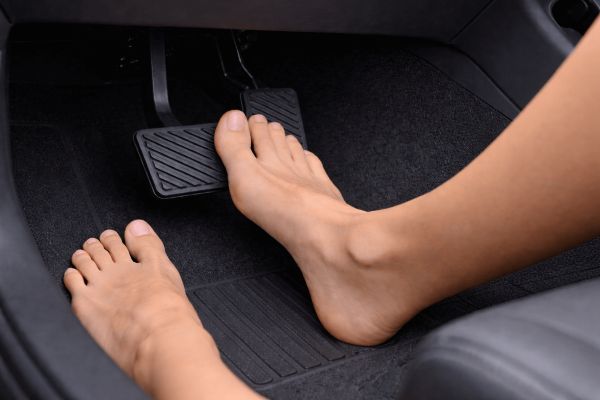
Is driving barefoot illegal in Ohio, USA in 2026?
Short answer: No — driving barefoot is not illegal in Ohio. But — and it’s a meaningful “but” — going shoeless can create legal and insurance headaches if it helps cause an accident. Below I’ll explain what the law actually says (and doesn’t say), the safety trade-offs, how barefoot driving can affect police stops and insurance claims in Ohio, and practical tips so you don’t end up worse off for trying to be comfy behind the wheel.
Explore Horizon Driving School in Ohio, USA here.
The legal reality: nothing in Ohio law flat-out bans it
There’s no Ohio statute that makes it a crime to drive without shoes. State traffic laws and Ohio’s vehicle code do not include a footwear requirement for drivers, so by default the practice is permitted. Multiple legal explainers and state-by-state reviewers agree that Ohio does not outlaw barefoot driving.
Nationwide, the situation is the same: U.S. state has a blanket ban on barefoot driving. Agencies and insurers routinely confirm that the absence of shoes isn’t, in itself, a traffic offense.
But legality ≠ immunity: when barefooting becomes evidence
Just because it’s legal to drive barefoot doesn’t mean it can’t be used against you. If an officer or investigator determines that your lack of footwear contributed to a crash or caused you to lose control (for example, a foot slipping off a pedal at a critical moment), barefoot driving can be cited as a contributing factor — potentially leading to citations for careless or reckless driving or being used by prosecutors or insurers as evidence of negligence. Lawyers and law firms in Ohio commonly point this out when advising clients after wrecks.
Insurance and comparative-fault consequences in Ohio
Ohio follows comparative negligence rules in civil claims. That means if barefoot driving is judged to have contributed to an accident, your percentage of fault could rise — and your recovery (or ability to recover) could shrink accordingly. The Ohio insurance and legal guidance on comparative negligence explains how fault is allocated and how it affects claims. In short: even if barefoot driving itself isn’t illegal, it can matter a lot in an insurance dispute or civil suit.
Safety realities — why experts frown on it
Safety organizations and driving experts repeatedly advise against driving barefoot or in unstable footwear (like loose flip-flops). Shoes provide traction, protect your feet, and let you apply steady pressure to pedals. Bare feet can slip, be less precise in emergencies, or get stung by a hot pedal/metal — small factors that can turn into big problems at highway speeds. AAA and other driver-safety sources recommend choosing footwear that helps you maintain confident pedal control.
Practical situations and what to do
If you’re stopped by police:
- Being barefoot is not a ticketable offense on its own in Ohio. But if an officer thinks your driving is impaired by lack of footwear, they could cite careless/reckless driving. Stay polite, explain calmly, and avoid arguing the law at the roadside.
If you have an accident:
- Tell the truth to police and your insurer. Don’t volunteer extra details that could be used to assign blame, but don’t lie either — false statements can sink a claim. If your lack of shoes was a factor, it may show up in statements and could affect fault allocation under Ohio’s comparative negligence rules. Consider contacting an attorney if liability looks contested.
If you prefer to go shoeless:
- Keep shoes out of the driver’s footwell (loose footwear can slip under pedals and jam them). Some drivers keep a lightweight pair in the car specifically for driving when needed.
Best footwear for driving (quick tips)
- Choose low-profile, flexible-soled shoes that allow pedal feel and precise pressure (think thin-soled sneakers or driving loafers).
- Avoid heavy boots with bulky soles, high heels, and slippery flip-flops — each presents control problems of its own.
- If you remove shoes for comfort in parking lots or beach drives, put them somewhere they won’t fall under the pedals.
Bottom line
Driving barefoot in Ohio in 2026 remains legal, but it’s not risk-free. The absence of a statutory ban doesn’t shield you from criminal citations for reckless driving if your bare feet cause loss of control, nor does it protect you from being assigned fault in an insurance claim. If you value convenience or comfort, balance it against the safety trade-offs — and if you ever end up in a crash, be aware barefoot driving could become an important detail in how fault and compensation are decided.