


Are Driving Lessons Scary in the USA in 2025?
For many Americans, learning to drive is a major milestone—a symbol of independence, adulthood, and freedom. Yet, for countless new drivers, the idea of stepping behind the wheel for the first time can also be intimidating. The question arises: Are driving lessons still scary in the USA in 2025? The short answer is that while driving lessons can feel nerve-wracking initially, advancements in technology, improved instructor training, and modern safety measures have made the process far more comfortable and reassuring than ever before. Let's explore how the driving experience has evolved in 2025, why some people still find it intimidating, and how learners can overcome those fears with confidence.
Before this, let's explore Horizon Driving School in Ohio, USA here.
1. The Fear Factor: Why Learning to Drive Can Feel Scary
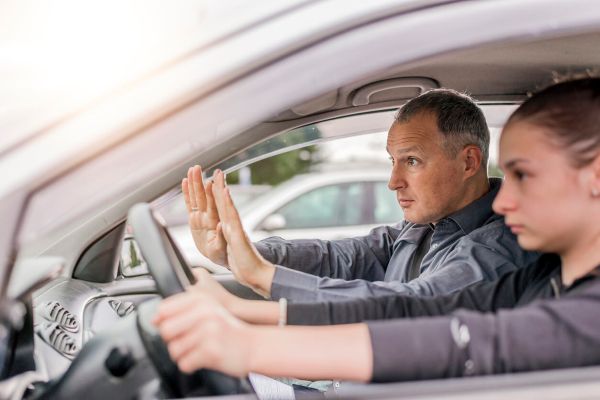
It's perfectly natural to feel anxious about learning something that involves a two-ton vehicle, unpredictable traffic, and high stakes. Even in 2025, first-time drivers often describe their early lessons as "nerve-wracking" or "overwhelming."
There are a few main reasons for this:
- Fear of the Unknown: For many learners, the idea of navigating traffic, dealing with road signs, and managing car controls feels like stepping into a new world.
- Performance Pressure: Many students worry about making mistakes in front of their instructor or failing their driving test later.
- Safety Concerns: Even with advanced safety features, the thought of being responsible for a moving vehicle can be intimidating.
- Social Anxiety: Some learners fear being honked at or judged by other drivers for making beginner mistakes.
However, the modern driving lesson experience has evolved dramatically—especially in the USA, where technology and driver education reform have made learning much more approachable.
2. How Driving Lessons Have Changed by 2025
The driving school industry in the U.S. has undergone significant modernization over the last decade. Today, in 2025, driving lessons are far more interactive, data-driven, and learner-friendly.
Here's how:
- a. AI-Assisted Learning
Many driving schools now integrate AI-based driving simulators that allow learners to practice safely before even touching a real car. These simulators mimic realistic traffic scenarios—rainy weather, night driving, or sudden obstacles—helping students build muscle memory and confidence. - b. Smart Vehicles
Most driving schools in 2025 use smart training vehicles equipped with real-time feedback systems. These cars gently alert learners when they drift from lanes or brake too late, turning each mistake into a learning opportunity rather than a panic moment. - c. Personalized Lesson Plans
Thanks to data analytics, instructors can now tailor lessons to each student's progress. If a learner struggles with parallel parking or highway merging, the system flags it, and instructors spend extra time on those skills. This approach reduces anxiety because learners feel guided and understood. - d. Virtual Reality (VR) Preparation
Before hitting the road, some schools offer VR driving orientation sessions — virtual city drives that introduce road signs, intersections, and traffic behaviors. This immersive prep reduces first-day anxiety dramatically.
3. What Makes Driving Lessons Less Scary Today
In 2025, driving instructors are trained not only in teaching mechanics but also in psychological coaching. Understanding learner anxiety has become a crucial part of driver education. Here's what makes lessons calmer and more supportive:
- Patient, Certified Instructors: Modern instructors are trained to recognize nervous behaviors and guide students with empathy rather than pressure.
- Gradual Exposure: Lessons begin in low-stress environments like empty parking lots or quiet suburban streets before advancing to city traffic.
- Calm Car Environment: Vehicles are quieter, smoother, and equipped with dual brakes, which gives learners reassurance that their instructor can intervene anytime.
- Positive Reinforcement: Schools emphasize celebrating progress, no matter how small. This approach boosts confidence and minimizes fear of failure.
All these developments create a much more relaxed, encouraging atmosphere. Many students now describe their lessons as "challenging but exciting" rather than frightening.
4. Why Some People Still Find Driving Lessons Scary
Even with all the technology and support available, fear is still part of the learning journey for some people. After all, driving involves real-world unpredictability. Some common reasons include:
- Overthinking Mistakes: Some learners replay small errors in their heads, which increases anxiety.
- Bad Previous Experiences: A negative first lesson or a critical instructor can leave lasting impressions.
- Fear of Accidents: Even with safety features, some students can't shake off the "what if" scenarios.
- Cultural or Family Pressure: In certain families, passing the driving test is seen as a rite of passage, adding pressure to perform well.
The good news? With consistent practice, reassurance, and the right instructor, nearly everyone conquers these fears.
5. How to Overcome Driving Lesson Anxiety
If you or someone you know feels nervous about taking driving lessons in 2025, here are a few proven strategies to help:
- a. Start with Simulation Training
Before heading onto real roads, practice on simulators or VR platforms offered by most modern driving schools. This helps you familiarize yourself with basic controls without any real danger. - b. Communicate with Your Instructor
Be honest about your fears. A good instructor will adjust the pace, start in low-traffic areas, and focus on building your confidence step by step. - c. Practice Mindfulness and Breathing
Deep breathing or mindfulness techniques can calm nerves before lessons. A relaxed mind reacts faster and makes better driving decisions. - d. Take Short, Frequent Lessons
Instead of long, exhausting sessions, shorter lessons spread over several days help you absorb skills better without burnout. - e. Celebrate Progress
Each time you improve—whether you finally master smooth braking or handle a busy intersection—acknowledge it. Confidence grows with small wins.
6. Real-Life Stories: From Fear to Freedom
Across the U.S., driving students in 2025 share inspiring stories. Take Lena, a 19-year-old from Oregon, who said, "I was terrified before my first lesson, but once I tried the VR training, it felt like a video game. By the time I drove an actual car, I was excited instead of scared."
Or Marcus, a 34-year-old from Texas, who delayed learning to drive for years due to anxiety. He finally enrolled in a school offering AI-assisted lessons. "The car corrected me gently," he said. "Instead of feeling judged, I felt supported."
These stories reflect a growing trend—learning to drive is no longer about just passing a test. It's about building confidence and control in a supportive environment.
7. The Future of Driving Lessons: Fear-Free Learning
Looking ahead, the future of driver education is even more promising. By 2030, we might see fully automated AI co-pilot instructors, holographic road guidance, and even emotional monitoring systems that adapt lessons to the student's stress levels in real time.
But even with all this futuristic innovation, one thing will remain the same: the human touch//. Driving is not just a skill—it's an experience. A supportive instructor, patient feedback, and a learner's determination will always be the keys to overcoming fear.
Conclusion: From Fearful to Fearless
So, are driving lessons scary in the USA in 2025? For some, maybe a little—but they're no longer the intimidating experience they once were. Modern technology, empathetic instructors, and smarter vehicles have turned what was once a nerve-wracking rite of passage into an empowering journey toward independence.
Feeling nervous is normal—but today, learners have more tools than ever to transform that fear into confidence. With each lesson, each drive, and each small success, the once-scary idea of driving becomes a thrilling, freeing, and entirely achievable skill.
In 2025, driving lessons aren't something to fear—they're something to look forward to. 🚗✨